


SitecoreAI: What It Is, Why It Matters, and What Comes Next
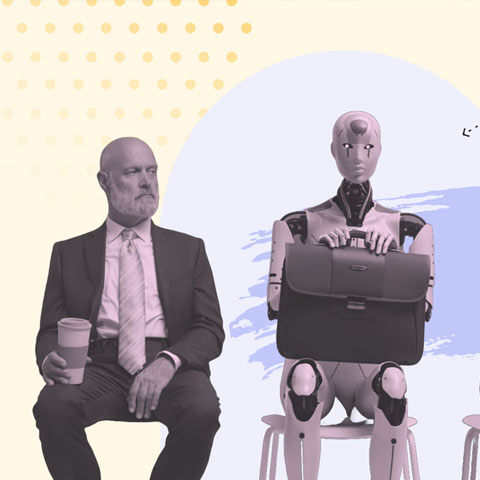

AI is no longer a layer sitting on top of digital experience platforms — it is becoming the operating model itself. The shift from search to answers, from manual workflows to agent-driven execution, and from disconnected tools to unified intelligence is redefining how digital teams operate.
This is where SitecoreAI enters the picture: a next-generation evolution of XM Cloud designed to unify content, data, personalisation, search, and operations inside an AI-centred, composable SaaS platform.
Below is the practical breakdown — what SitecoreAI actually is, how it works, and what it means for the next phase of digital experience.
1. The Shift: From Tools to Intelligent Experience Platforms
SitecoreAI represents a move beyond traditional CMS and DXP thinking. Instead of AI being a writing assistant or add-on feature, it becomes embedded in how experiences are designed, executed, and optimised.
Three defining ideas shape the platform:
- From clicks to conclusions - discovery increasingly happens through AI-generated answers and agents, not just web journeys.
- From fragmented tools to unified intelligence - content, data, and experimentation operate as one system.
- From automation to augmentation - AI enhances human creativity and decision-making rather than replacing it.
The platform is designed for a world where brands must operate across websites, agents, and AI-driven discovery environments simultaneously.
2. What SitecoreAI Actually Is
2.1 XM Cloud - Evolved
SitecoreAI is positioned as a direct evolution of XM Cloud, not a separate platform. Built on Microsoft Azure, it merges core capabilities into a unified SaaS environment where AI is embedded into workflows.
Key principles:
- No forced re-platforming
- Data continuity preserved
- AI capabilities introduced as part of the platform, not bolt-ons
The innovation trajectory clearly sits within SitecoreAI - making it the centre of future development.
2.2 The Four Core Pillars
Sitecore’s portfolio now aligns around four AI-infused pillars:
Content
- Structured content modelling and delivery
- AI-assisted authoring, localisation, and briefing
- Stronger alignment with taxonomies and reusable content
Experiment (Intelligence & Optimisation)
- Personalisation, CDP, and search unified into one optimisation layer
- Focus on signals, testing, and next-best-experience orchestration
Assets
- Content Hub integrated as the core media engine
- AI tagging, reusable assets, and content operations at scale
Studio (Innovation & Extensibility)
- Agentic Studio for building and governing agents
- App Studio for custom applications and extensions
- Marketplace for sharing solutions
- Sitecore Connect for low-code integrations
Together, these pillars create a unified AI framework combining content, data, assets, and orchestration.
3. Agentic Studio - Where Humans and AI Collaborate
Agentic Studio is where the platform becomes tangible. It provides a governed workspace where teams work alongside AI agents to execute real workflows.
Core capabilities:
- 20+ prebuilt agents across content, optimisation, governance, and migration
- Visual tools for creating custom agents and flows (no coding required)
- Collaborative Spaces for campaigns and operational programmes
Typical agent roles include:
- Brand and compliance monitoring
- Content and model migration mapping
- Performance and experimentation optimisation
The real shift is not “AI generating content,” but AI automating repeatable decision workflows.
4. SitecoreAI Pathway - AI-Driven Migration
Migration has historically been the biggest barrier to modernising digital platforms. SitecoreAI Pathway addresses this through automation.
It can:
- Analyse existing site structures and content models
- Propose target mappings into SitecoreAI/XM Cloud
- Automate large portions of content and schema conversion
- Support migrations from multiple platforms
The strategic impact:
- Reduces mechanical migration effort
- Allows teams to focus on experience design and optimisation
- Shortens the barrier to adopting modern architecture
5. Sitecore Studio and the Rise of “Custom SaaS”
Modern SaaS is easy to buy but often difficult to adapt. Sitecore Studio introduces the idea of Custom SaaS - customisable yet upgrade-safe.
Components:
- Agentic Studio - AI workflow and governance
- App Studio - extensibility via APIs and SDKs
- Marketplace - shared and monetised solutions
- Sitecore Connect - integration framework
Key differentiators:
- Governed innovation within platform guardrails
- Customisation without forking the core product
- Partner and customer-driven innovation
This model aims to balance flexibility with SaaS stability.
6. Platform Foundations That Quietly Matter
Beyond AI features, several architectural moves shape the platform’s long-term direction:
- Blok design system - consistent, AI-compatible UI framework
- Content SDK evolution - modern front-end development model
- Agent API - business-level interface enabling external agent integration
Together, these enable:
- Modern composable architectures
- Consistent UX across platform and extensions
- Integration into broader AI ecosystems
7. Strengths - Where SitecoreAI Stands Out
A clear AI-first platform narrative
The platform is organised around intelligence, not scattered features.
Custom SaaS differentiation
Balancing flexibility and governance positions Sitecore strongly in the SaaS landscape.
Migration friction addressed
Automation reduces a key barrier to modernisation.
Ecosystem strength
Partners and developers play a major role in extending the platform.
8. Risks and Realities
Foundational maturity still matters
Poor content structure or weak governance will scale chaos faster.
Composability vs lock-in tension
Unified platforms increase dependency while improving coherence.
Agent governance remains critical
Automation requires oversight, policies, and human accountability.
Services and operating models will change
Automation shifts value toward strategy, architecture, and experimentation.
9. What to Watch Over the Next 12-24 Months
- XM Cloud estates gradually evolving into SitecoreAI
- AI-assisted migration becoming a standard requirement
- Studio and Marketplace driving platform differentiation
- Organisations adopting agent-centred operating models
- DXPs evolving into “Intelligent Experience Operating Systems”
10. How Digital Leaders Should Respond
Fix foundations first
Clean content models, data, and governance before scaling AI.
Start small with high-impact agents
Focus on a few agents tied to real outcomes.
Use build vs buy strategically
Differentiate where it matters, accelerate where it doesn’t.
Re-train teams around AI collaboration
Shift from prompts to structured goals and feedback loops.
Tell a clear, structured story
AI discovery rewards clarity in content, metadata, and intent.
Final Thought
SitecoreAI represents more than a platform upgrade - it reflects a shift toward AI as the operating layer of digital experience. Success will depend less on features and more on how well organisations prepare their content, data, governance, and operating models for a world where AI is not just a tool, but a collaborator.
Want more like this?
Want more like this?
Insight delivered to your inbox
Keep up to date with our free email. Hand picked whitepapers and posts from our blog, as well as exclusive videos and webinar invitations keep our Users one step ahead.
By clicking 'SIGN UP', you agree to our Terms of Use and Privacy Policy


By clicking 'SIGN UP', you agree to our Terms of Use and Privacy Policy
Other content you may be interested in





Want more like this?
Want more like this?
Insight delivered to your inbox
Keep up to date with our free email. Hand picked whitepapers and posts from our blog, as well as exclusive videos and webinar invitations keep our Users one step ahead.
By clicking 'SIGN UP', you agree to our Terms of Use and Privacy Policy
Brought to you by
